

Country Name
Image
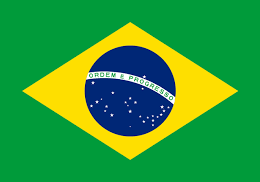
Document
Country Official Name
BRICS Status
Original Member – Founding member (2009)
Capital City
Brasília
Sections
| SECTION 1: COUNTRY OVERVIEW & GEOGRAPHIC PROFILE | |
|---|---|
| 1.1 Basic Country Information | |
| Country Name | Federative Republic of Brazil |
| Capital City | Brasília |
| BRICS Status | Original Member – Founding member (2009) |
| Total Population | 212.6 million (July 1, 2024, IBGE official estimate); 203 million (2022 Census, IBGE) |
| Population Growth Rate | 0.52% per annum (2023, World Bank) |
| Rural Population (%) | 12.0% of total population (2024, World Bank) |
| Urban Population (%) | 88.0% of total population (2024, World Bank) |
| GDP (Nominal) | USD 2,331 billion (2024, IMF) |
| GDP per Capita | USD 11,178 (2024, IMF) |
| Agriculture’s Share of GDP | 5.58% (2024, World Bank); 6.2% (2023); Agribusiness overall ~24% of GDP including processing and services |
| Agriculture’s Share of Employment | 8.2% of total workforce (2023, OECD/ILO) |
| HDI Rank | Rank 87, Value 0.760 (2023, UNDP) |
| Official Language(s) | Portuguese |
| Currency | Brazilian Real (BRL) |
1.2 Geographic Coordinates & Physical Extent
| Total Geographic Area | 8,509,380 km² – 5th largest country in the world |
|---|---|
| Northernmost Latitude | 5°16’ N (Monte Caburaí, Roraima) |
| Southernmost Latitude | 33°45’ S (Arroio Chuí, Rio Grande do Sul) |
| Easternmost Longitude | 34°47’ W (Ponta do Seixas, Paraíba) |
| Westernmost Longitude | 73°59’ W (Serra da Contamana, Acre) |
| Geographic Centre (Approx.) | 14° S, 53° W (near Barra do Garças, Mato Grosso) |
| Total Coastline Length | 7,491 km (Atlantic Ocean) |
| Land Border Length | 16,145 km |
| Number of Bordering Countries | 10 Countries:
|
| Highest Elevation Point | Pico da Neblina – 2,994 m |
| Lowest Elevation Point | Atlantic Ocean – 0 m |
| Major River Systems |
|
| Major Lakes |
|
1.3 Administrative Divisions Relevant to Agriculture
| Primary Division | States (Estados) – 26 States + 1 Federal District (Distrito Federal) |
|---|---|
| Secondary Division | Municipalities (Municípios) – 5,570 municipalities |
| Tertiary Division | Districts (Distritos) within municipalities |
| Lowest Agricultural Planning Unit | Municipality (Município) – Agricultural and livestock statistics are primarily collected by IBGE at the municipal level. |
| Special Agricultural Zones | MATOPIBA region (Maranhão, Tocantins, Piauí, Bahia – major new agricultural frontier); Cerrado development zone; Amazon biome regulated areas |
| Agricultural Development Regions | 5 Macro Regions: North (Amazônia), Northeast (Nordeste), Central-West (Centro-Oeste), Southeast (Sudeste), South (Sul); each with distinct agroclimatic and production characteristics Each macro region has distinct agro-climatic conditions, cropping systems, livestock patterns, and agricultural production characteristics. |
2.1 National Agro-Climatic Zone Classification System
| Classification System Used | ZARC (Zoneamento Agrícola de Risco Climático) developed by MAPA and EMBRAPA, along with the Köppen-Geiger Climate Classification System. |
|---|---|
| Total Number of Agro-Climatic Zones | 6 major biomes used as primary agro-ecological zones: Amazon, Cerrado, Atlantic Forest, Caatinga, Pampa, Pantanal; ZARC covers ~40 crops with municipality-level risk zoning ZARC provides municipality-level climate risk zoning for approximately 40 agricultural crops. |
| Basis of Classification | Combination of rainfall, temperature, altitude, soil type, and vegetation biome |
| Reference Authority | EMBRAPA (Brazilian Agricultural Research Corporation), MAPA (Ministry of Agriculture), INMET (National Institute of Meteorology) |
2.2 Zone-wise Detailed Description
| Zone | Region | Climate | Major Crops / Activities | Key Challenges |
|---|---|---|---|---|
| 1. Amazon (Amazônia) | Amazonas, Pará, Acre, Roraima, Rondônia, Amapá, parts of Tocantins, Maranhão and Mato Grosso (49.3% of Brazil's area) | Tropical humid climate; 1,500–3,000 mm rainfall; 24–28°C year-round; 80–90% humidity; 300–365 day growing season. | Cassava, açaí, cacao, black pepper, tropical fruits, rubber, palm oil, soybeans (in deforested areas), beef cattle. | Deforestation pressure, low soil fertility, remote infrastructure, flooding, land tenure conflicts. |
| 2. Cerrado (Tropical Savanna) | Goiás, Mato Grosso, Mato Grosso do Sul, Minas Gerais, Tocantins, Bahia, Piauí, Distrito Federal (23.9% of Brazil's area) | Tropical savanna; 800–1,800 mm rainfall; 22–27°C; pronounced dry winter (Apr–Sep); 180–240 day growing season. | Soybeans (dominant), maize (safrinha), cotton, sugarcane, sorghum, beans, coffee, beef cattle. | Acidic soils requiring liming, seasonal water deficit, biodiversity loss, dry-season fire risk. |
| 3. Atlantic Forest (Mata Atlântica) | Coastal belt from Rio Grande do Norte to Rio Grande do Sul; São Paulo, Rio de Janeiro, Paraná, Santa Catarina, Minas Gerais (13.0% of Brazil's area) | Subtropical to tropical climate; 1,200–2,200 mm rainfall; 18–26°C; 240–365 day growing season. | Sugarcane (São Paulo), coffee (Minas Gerais), oranges, bananas, vegetables, horticulture, dairy and poultry. | Fragmented forest cover (only ~12% remains), urban expansion, steep terrain limiting mechanisation. |
| 4. Caatinga (Semi-Arid Northeast) | Bahia, Ceará, Piauí, Pernambuco, Paraíba, Rio Grande do Norte, Alagoas, Sergipe, Northern Minas Gerais (9.9% of Brazil's area) | Semi-arid climate; 250–800 mm rainfall (highly erratic); 25–29°C; humidity 50–65%. | Cashew nuts, goats, sheep, beans, maize (subsistence), melon, mango, grapes (irrigated), sisal and castor bean. | Severe drought risk, desertification, low water availability, subsistence farming, high rural poverty. |
| 5. Pampa (Subtropical Grasslands) | Southern half of Rio Grande do Sul (2.1% of Brazil's area) | Subtropical climate; 1,200–1,600 mm rainfall; 14–20°C; frost-prone; year-round growing season. | Irrigated rice, soybeans, wheat, grass-fed beef, sheep, wine grapes, tobacco and barley. | Grassland conversion to soybean monoculture, soil erosion, frost damage, invasive species. |
| 6. Pantanal (Tropical Wetlands) | Mato Grosso do Sul and western Mato Grosso (1.8% of Brazil's area) | Tropical wetland climate; 1,000–1,400 mm rainfall; 22–27°C; pronounced wet season (Nov–Mar) with extensive flooding. | Extensive cattle ranching (Nelore breed), fisheries, ecotourism, limited crop cultivation in elevated areas. | Seasonal flooding (up to 80% of area), wildfire risk, limited infrastructure. |
2.3 Climate-Resilient Agriculture and Climate Action in Brazil
| Initiative / Technology | Implementing Institution | Description | Impact / Benefit |
|---|---|---|---|
| Low-Carbon Agriculture Plan (ABC / ABC+ Plan) | Brazilian Ministry of Agriculture and Livestock, Embrapa | National program promoting climate-smart farming practices including integrated production systems, pasture restoration, and conservation agriculture. | Supports expansion of low-carbon agriculture across tens of millions of hectares and contributes to Brazil's climate mitigation commitments. |
| Integrated Crop-Livestock-Forest (ICLF) Systems | Embrapa | Integration of crop cultivation, livestock grazing, and tree planting on the same land area. | Improves soil fertility, enhances productivity, diversifies farm income, and increases carbon sequestration. |
| Recovery of Degraded Pastures | MAPA, Embrapa | Rehabilitation of degraded grazing lands through improved pasture species, soil correction, and better management practices. | Increases cattle productivity and reduces pressure for agricultural expansion and deforestation. |
| No-Till / Conservation Agriculture | Embrapa, FAO Programs | Crops are planted directly into crop residues without conventional plowing or intensive soil disturbance. | Reduces soil erosion, improves water retention, enhances soil health, and increases soil organic carbon levels. |
| Biological Nitrogen Fixation (BNF) | Embrapa | Utilization of nitrogen-fixing bacteria in crops, particularly soybeans, as an alternative to synthetic nitrogen fertilizers. | Widely adopted in Brazilian soybean production, reducing fertilizer costs and greenhouse gas emissions. |
| ZARC – Agricultural Climate Risk Zoning | MAPA, Embrapa | Climate-risk mapping and decision-support system that recommends optimal planting windows based on climate, soil, and crop data. | Helps farmers reduce climate-related risks and supports agricultural insurance, financing, and credit programs. |
Internal Link